

Geography
Our geography leader is Miss S Bunney
Intent
At Glusburn School, our geography curriculum is fully inclusive and designed to meet the National Curriculum. We aim to provide a broad and engaging curriculum that builds pupils’ geographical knowledge, concepts, and skills while nurturing curiosity and a love for the subject.
Implementation
Geography is taught in all year groups during the Spring term and the second half of the Summer term. Learning progresses from familiar, local environments to wider, global contexts. Children develop their understanding of people, places, processes and environments, using a range of maps, globes and atlases to locate places and interpret information.
Lessons equip pupils with knowledge of physical and human geography, as well as key skills such as gathering data, using maps and digital mapping, and communicating their findings in different ways.
How does the geography curriculum reflect our school’s values and ethos?
We are committed to upholding the United Nations Convention on the Rights of the Child (UNCRC) within our geography curriculum:
Article 29: Children should learn to care for the environment.
Article 24: Children have the right to clean water, good health, and a safe environment.
Article 31: Children have the right to take part in cultural activities.
Our geography curriculum helps children understand their world, develop environmental responsibility, and explore diverse cultures and communities. They learn about clean water, climate change, ecosystems, and how humans interact with the planet, building the knowledge and skills needed to make positive, sustainable choices.
Additionally, our curriculum aligns with key Sustainable Development Goals:
- SDG 6: Clean Water and Sanitation
- SDG 11: Sustainable Cities and Communities
- SDG 13: Climate Action
- SDG 14: Life Below Water
- SDG 15: Life on Land
By embedding these principles into our curriculum, we create a learning environment where every child feels valued, informed, and empowered to care for their world.
How is geography enabled in the Early Years?
Special Educational Needs and Disability
We ensure geography is accessible to all learners. The curriculum is adapted to meet varied starting points and needs, enabling all pupils to build knowledge and cultural capital and to develop independence and aspiration. Through carefully planned support and challenge, our geography provision promotes curiosity, critical thinking, and a sense of responsibility for the world.
Impact
A geography curriculum helps students understand how people, places and environments are linked. It builds knowledge of the world, develops critical thinking and nurtures curiosity about global challenges such as climate change and sustainability. It inspires learners to engage thoughtfully with the world around them and to appreciate the impact of human choices on the planet.
Fieldwork and outdoor learning
Outdoor learning is central to our geography curriculum. Pupils explore human and physical features in the local area and develop mapping and fieldwork skills.
- Year 2: Identify features on OS maps, follow routes, recognise buildings, and create simple route maps.
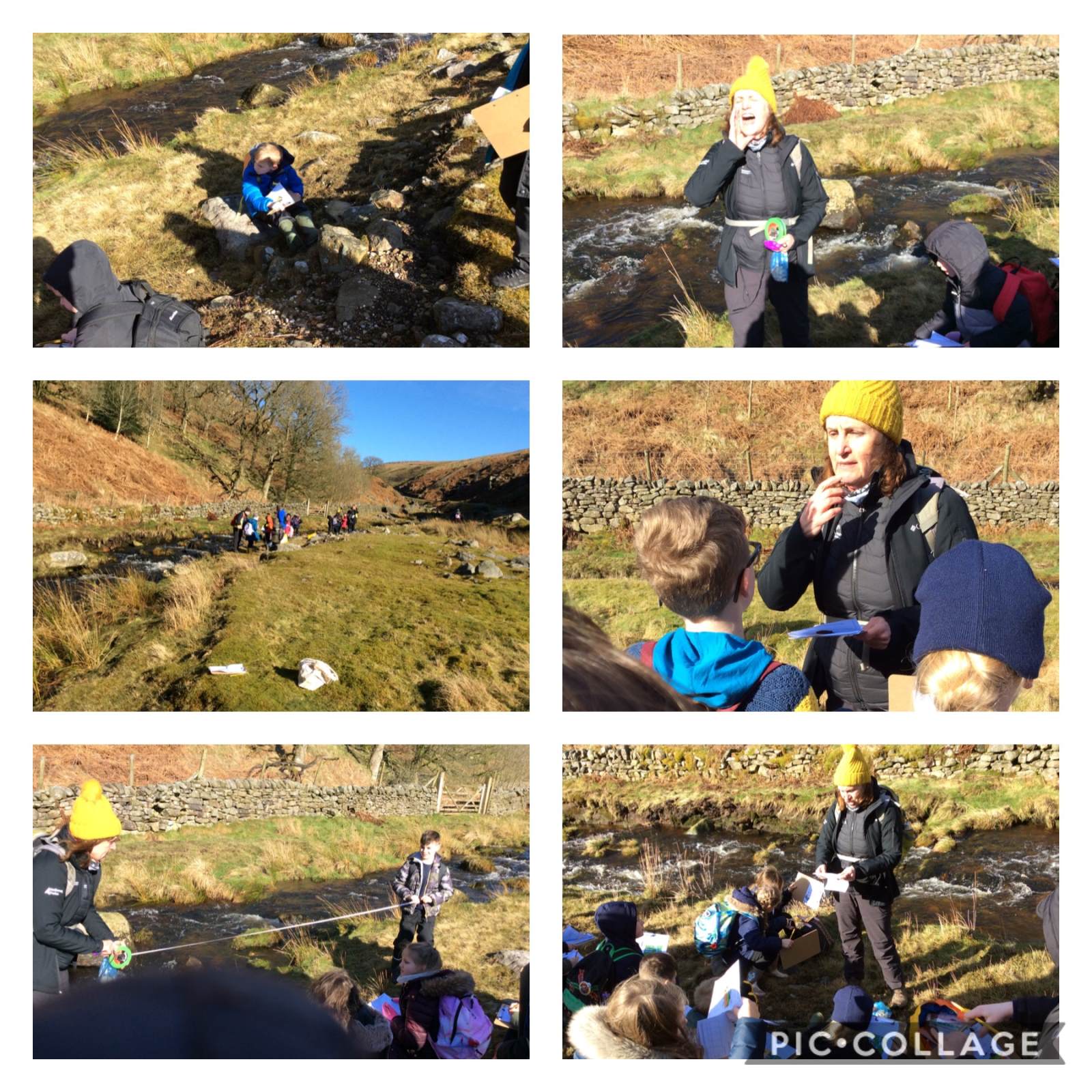
- Year 3: Study river features and processes in the Yorkshire Dales, recording data such as width, depth and flow speed.
- Year 4: Visit a local farm to explore land use and environmental impact.
- Years 5/6: Residential visits develop navigation, compass skills and use of 6-figure grid references.
- Year 6: Apply skills on a local walk, using OS maps to scale and create routes.
Our geography long term plan